
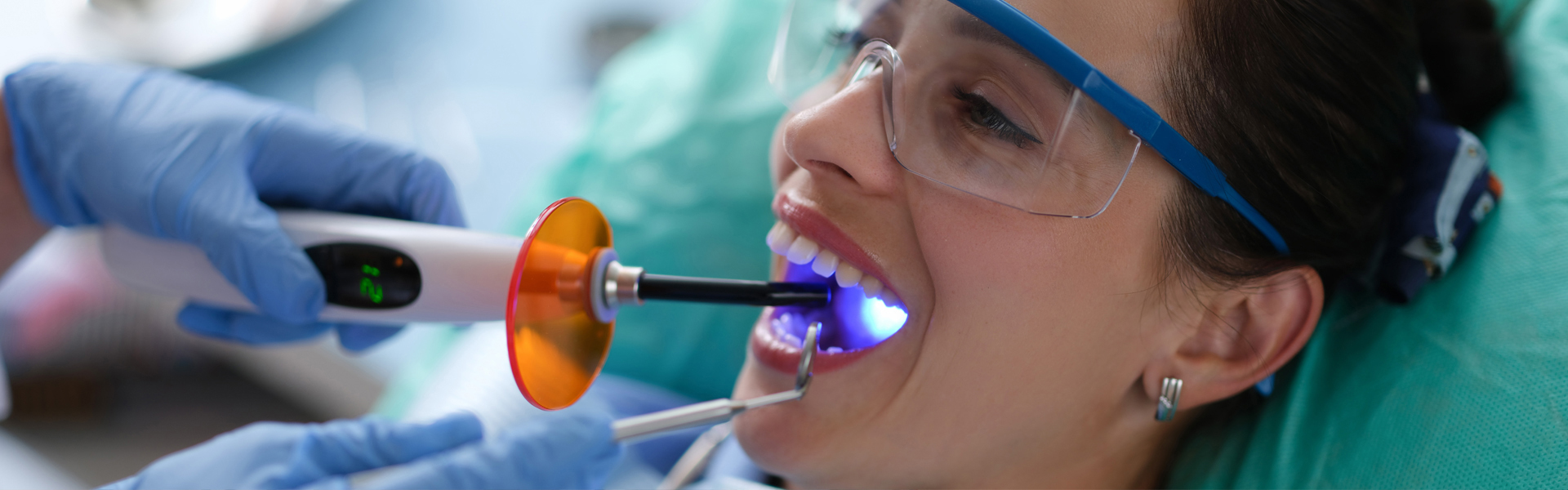
Laser Gum Treatment: A Modern Alternative to Traditional Gum Surgery
According to the CDC, nearly 50% of adults over 30 in the U.S. experience some form of gum disease. Without proper care, gum disease may progress to bleeding, loose teeth, and deterioration of the supporting jawbone. Fear of pain and downtime often causes people to delay gum care until symptoms become more serious. Fortunately, laser dentistry has changed that experience.
Modern laser gum procedures offer a less invasive option compared to traditional surgery. Patients seeking gum treatments in Clearwater often ask whether laser therapy is effective, safe, and worth considering. Understanding the process can help you decide whether laser treatment aligns with your oral health needs.
Introduction to Laser Gum Treatment
Dentists use laser gum therapy to treat damaged or infected gums through a less invasive approach. The procedure uses concentrated light energy to remove unhealthy tissue around the teeth without scalpels or sutures.
This approach has gained attention because it often involves less bleeding, reduced swelling, and shorter healing periods. For many adults with moderate periodontal disease, laser-assisted care provides a more comfortable alternative to conventional surgery.
What Is Laser Gum Treatment and How Does It Work?
Laser gum treatment uses a focused dental laser to target infected tissue while preserving healthy areas. The laser energy sterilizes the treatment site and removes bacteria hidden deep within periodontal pockets.
Most laser gum procedures follow several important steps:
- Measuring gum pockets around the teeth
- Removing inflamed tissue with a dental laser
- Cleaning tartar and bacteria from the tooth roots
- Encouraging healthy gum reattachment
Since the laser seals tiny blood vessels during treatment, bleeding is usually minimal.
Traditional Gum Surgery vs. Laser Gum Treatment
Traditional periodontal surgery typically requires incisions, sutures, and longer recovery periods. Laser therapy, by comparison, is less invasive and more precise.
Here are several differences patients commonly notice:
- Reduced bleeding during treatment
- Less post-operative discomfort
- Minimal swelling
- Faster tissue healing
- Lower risk of bacterial infection
However, traditional surgery may still be necessary in advanced cases involving severe bone loss or deep structural damage.
Types of Lasers Used in Gum Treatment
Different dental lasers are designed for specific purposes. The most common options include:
Diode Lasers
These are often used for soft tissue procedures and bacterial reduction.
Nd Lasers
These lasers, frequently used in periodontal therapy, effectively target infected gum tissue.
Erbium Lasers
These can treat both soft tissue and bone, making them useful in complex periodontal procedures.
The type of laser selected depends on the patient’s condition and treatment goals.
Conditions Treated With Laser Gum Therapy
Laser technology can address several oral health concerns beyond gum disease.
Common conditions include:
- Gingivitis
- Periodontitis
- Gum recession
- Inflamed gum tissue
- Crown lengthening
- Periodontal pocket reduction
Some providers also use lasers during cosmetic gum contouring procedures.
How Laser Treatment Targets Gum Disease
Gum disease develops when bacteria accumulate below the gumline. Over time, infection causes inflammation and tissue breakdown.
Laser therapy works by:
- Eliminating harmful bacteria
- Removing diseased tissue
- Stimulating healthy tissue regeneration
- Reducing periodontal pocket depth
This targeted approach helps preserve more healthy gum tissue than traditional methods.
The Step-by-Step Laser Gum Treatment Procedure
Patients are often surprised by how streamlined the process feels.
A typical appointment includes:
- A periodontal evaluation and digital imaging
- Local anesthesia for comfort
- Laser removal of infected tissue
- Deep cleaning of tooth roots
- Final laser sterilization of the area
Most procedures can be completed in one or two visits, depending on severity.
Pain and Discomfort: Laser vs. Traditional Surgery
Many patients report milder discomfort after laser treatment compared to conventional gum surgery. Since lasers are highly precise, the surrounding tissue experiences less trauma.
Common post-treatment symptoms may include:
- Mild soreness
- Temporary sensitivity
- Minor swelling
Over-the-counter pain relief is often enough for recovery. Still, comfort levels vary depending on the extent of infection and individual healing responses.
Recovery Time After Laser Gum Treatment
Healing time is usually shorter with laser-assisted procedures. Healing tends to be faster with laser therapy, so downtime is usually minimal.
To support recovery, dentists often recommend:
- Soft foods for several days
- Avoiding tobacco products
- Gentle brushing near treated areas
- Using prescribed antimicrobial rinses
Proper oral hygiene remains essential after treatment.
Benefits of Laser Gum Treatment Over Traditional Surgery
Laser dentistry continues to grow because it offers practical advantages for both patients and clinicians.
Key Benefits Include:
- Less invasive treatment
- Reduced bleeding and swelling
- Faster healing response
- Lower chance of infection
- Greater treatment precision
For anxious patients, laser procedures may also feel less intimidating than traditional surgery.
Risks and Limitations of Laser Gum Therapy
Although laser treatment is effective, it is not ideal for every situation.
Potential limitations include:
- Higher treatment costs
- Limited effectiveness in severe cases
- Need for specialized dental training
- Possible sensitivity after treatment
A thorough periodontal evaluation helps determine whether laser therapy is appropriate.
Success Rates of Laser Gum Treatment
Research suggests laser-assisted periodontal therapy can improve pocket reduction and gum attachment when combined with professional cleanings and ongoing maintenance.
Long-term success depends heavily on:
- Daily oral hygiene habits
- Regular dental visits
- Smoking status
- Overall health conditions such as diabetes
No gum treatment can permanently stop disease without proper maintenance.
Is Laser Gum Treatment Suitable for Everyone?
Not every patient qualifies for laser periodontal therapy. Suitability depends on several factors, including disease severity, bone support, and medical history.
A qualified dentist in Clearwater will typically perform a detailed examination before recommending treatment.
Patients with mild to moderate periodontal disease often benefit the most from laser-assisted care.
Cost of Laser Gum Treatment vs. Traditional Surgery
Laser procedures may cost more upfront because of advanced equipment and specialized training. However, shorter recovery and reduced follow-up care may offset some expenses over time.
Treatment costs usually vary based on:
- Number of affected teeth
- Severity of infection
- Geographic location
- Complexity of treatment
Patients should request a detailed estimate before starting care.
Insurance Coverage for Laser Gum Procedures
Dental insurance coverage varies widely. Some plans cover laser periodontal therapy similarly to traditional gum surgery, while others classify it differently.
It is helpful to:
- Contact your insurance provider directly
- Ask for pre-treatment estimates
- Review coverage limitations carefully
A trusted dental office in Clearwater can often help patients understand insurance benefits before treatment begins.
How to Choose the Right Dentist for Laser Gum Treatment
Experience matters when selecting a provider for periodontal laser therapy.
Look for a dentist who offers:
- Advanced periodontal training
- Modern diagnostic technology
- Clear treatment explanations
- Strong patient education
- Preventive maintenance guidance
Choosing a qualified dentist near you helps improve both comfort and long-term outcomes.
Aftercare Instructions Following Laser Gum Therapy
Recovery support plays an important role in healing.
Helpful aftercare habits include:
- Brushing gently twice daily
- Flossing carefully around treated areas
- Drinking plenty of water
- Avoiding crunchy or spicy foods temporarily
- Attending follow-up cleanings
Patients should contact their provider if swelling or bleeding worsens unexpectedly.
Long-Term Results and Maintenance After Treatment
Laser gum therapy can successfully control periodontal disease when paired with ongoing maintenance care.
Long-term protection often includes:
- Professional cleanings every three to four months
- Daily brushing and flossing
- Monitoring gum pocket depth
- Managing health conditions linked to inflammation
Consistent maintenance reduces the risk of future gum deterioration.
Latest Advancements in Laser Gum Technology
Dental laser systems continue to evolve. Newer devices offer greater precision, improved bacterial reduction, and enhanced patient comfort.
Recent advancements include:
- Digital laser calibration systems
- Improved tissue regeneration support
- Combination laser and imaging technology
- Enhanced minimally invasive protocols
As periodontal technology progresses, laser therapy may continue becoming more efficient and accessible.
Final Thoughts on Laser Gum Treatment
Modern dental lasers have changed how dentists manage many forms of gum disease. For patients exploring Gum Treatments in Clearwater, laser-assisted therapy may offer a more comfortable and conservative approach compared to traditional surgery.
Factors such as gum condition, general health, and oral hygiene habits all play a role in determining the right treatment plan. Consulting an experienced provider is the best way to determine whether laser gum therapy is right for you. At Soni Smiles, Dr. Ravi Soni focuses on patient-centered periodontal care designed to support healthier gums and lasting oral wellness.
Frequently Asked Questions
The procedure is generally well tolerated, with many patients experiencing very little discomfort. Local anesthesia is typically used to improve comfort.
Treatment time varies with severity, but many appointments last 1 to 2 hours.
Laser therapy helps control infection, but ongoing oral hygiene and maintenance visits are necessary to prevent recurrence.
Yes. Dental lasers are FDA-cleared and widely used in periodontal therapy when performed by trained professionals.
Soft foods are usually recommended for the first few days while gum tissue heals.