
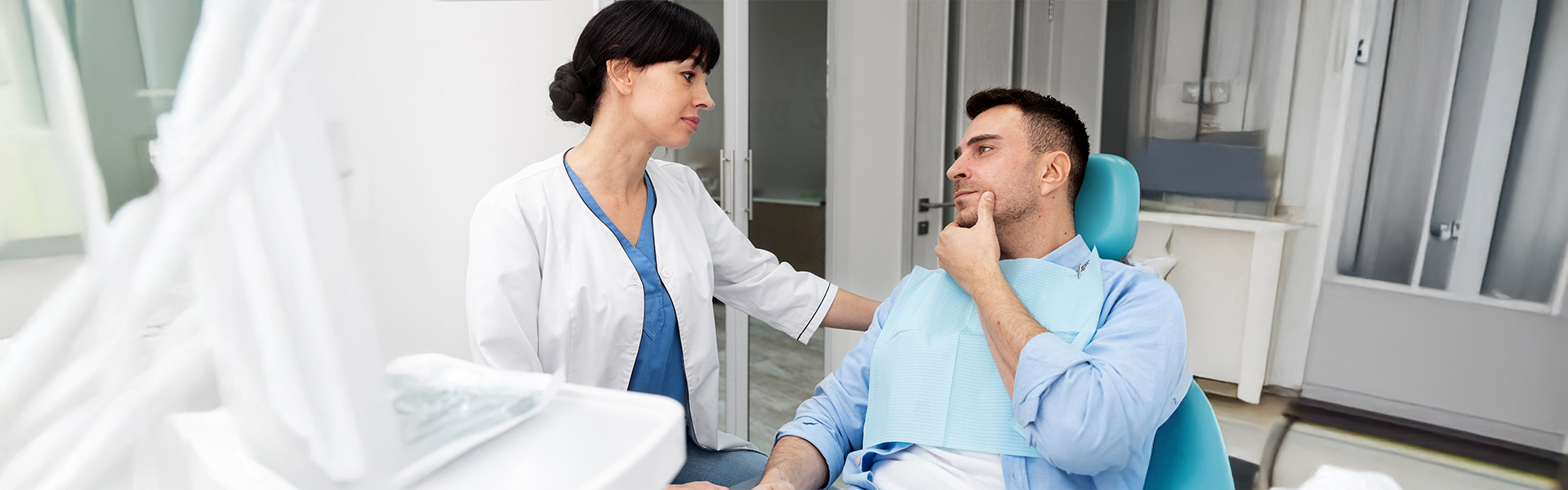
Tips for Managing Dental Pain Until You See a Dentist
Tooth pain can make even simple daily tasks feel difficult. Eating, drinking, and even talking may feel hard. While home care can ease symptoms, it does not replace a full exam. If pain is severe or sudden, you may need an emergency dentist in Clearwater.
Use these steps to stay as comfortable as you can until your appointment. They focus on comfort, safety, and simple habits you can use right away.
Identify the Type and Source of Pain
Start by paying attention to what you feel and when you feel it. Ask yourself:
- Is the pain sharp, dull, or throbbing?
- Does it flare with hot or cold drinks?
- Does biting or chewing make it worse?
Look in a mirror with good light. You may see:
- A dark spot or hole in the tooth
- A crack or broken edge
- Red, puffy, or bleeding gums
- Food stuck between teeth
Swelling in the face, trouble opening your mouth, or pain that wakes you at night are warning signs. These can point to infection or a deep cavity. Even if you learn what might be wrong, only a dentist can diagnose the cause.
Over-the-Counter Pain Relief Options
Many people get short-term relief from store-bought pain medicine. Common choices include acetaminophen and ibuprofen. Both can help reduce pain from inflamed teeth and gums.
Keep these points in mind:
- Follow the dose on the package.
- Do not take more tablets than the label allows.
- Avoid aspirin for children and teens.
- Talk with your doctor if you have kidney, liver, or stomach problems.
If you use blood thinners or other daily medicines, ask a pharmacist or the dentist near you before you add something new. Pain pills are only a bridge. If you need them for more than a day or two, you need a full exam.
Cold Compress and Home Comfort Measures
Cold is one of the safest ways to calm sore teeth and jaws. Place a cold pack or a bag of frozen peas in a thin cloth. Hold it to the cheek on the sore side for 10–15 minutes at a time. This can help ease swelling and provide a mild numbing effect.
More simple comfort steps:
- Keep your head raised, even while resting.
- Try to sleep with your head on extra pillows.
- Avoid hot water bottles or direct heat on a swollen face.
Warm salt water rinses can also soothe gum and soft tissue pain. Use a warm glass of water and half a teaspoon of salt to prepare a calming rinse. Swish gently and spit it out. Do not let children use this if they might swallow the water.
Improved Oral Hygiene to Reduce Irritation
When a tooth hurts, many people avoid brushing that side. That can make things worse. Plaque and food build up around the sore tooth and cause more gum irritation.
Instead, try this:
- Use a soft-bristled toothbrush.
- Brush with small, light strokes around the sore area.
- Floss around the painful tooth to clear trapped food.
If the contact between teeth is very tight, slide floss in and move it along the side of the tooth rather than snapping it down. Rinse well after brushing and flossing to clear away any loose buildup. Clean teeth and gums often hurt less and are easier to treat when you reach the chair.
Foods and Habits to Avoid
What you eat and drink can make tooth pain worse. Until you see a dentist in Clearwater, try to avoid:
- Hard foods such as nuts, ice, and hard bread
- Sticky candy and chewing gum
- Sugary snacks and drinks that coat teeth
- Very hot or very cold foods and beverages
- Biting on the sore side of your mouth
Tobacco and vaping can also slow healing and irritate the gums. Alcohol may interact with pain medicine and dry the mouth. Choose soft, cool foods such as yoghurt, scrambled eggs, smoothies, and mashed potatoes until you can chew on both sides again.
Temporary Remedies for Common Issues
Some problems are common while you wait for care. These steps may help for a short time:
Food stuck between teeth
- Use floss or an interdental brush to clear the area.
- Never use pins, tweezers, or sharp tools.
Lost filling or chipped tooth
- Keep the area clean with gentle brushing and rinsing.
- Over-the-counter dental cement can cover a sharp edge or a small hole.
- Avoid biting hard foods on that side.
Sore gums or mouth ulcers
- Use warm salt water rinses.
- Avoid spicy or acidic foods that burn the area.
Tender crowns, bridges, or implants
- Do not chew on the painful side.
- Keep the gum area clean with a soft brush and floss threader.
- If you already have an implant and it feels loose, tell your dentist right away. You can read more about implant care and treatment options on the practice’s implant service page here.
These ideas do not fix the cause. They are only a patch until your dentist can examine the tooth.
When the Pain Becomes an Emergency
Some symptoms mean you should not wait. Seek urgent care if you notice:
- Swelling that spreads to the eye, neck, or floor of the mouth
- Trouble breathing, swallowing, or speaking
- High fever with facial swelling
- Severe pain after an injury to the jaw or face
- A knocked-out adult tooth
- Bleeding that does not slow with pressure
In these cases, call an emergency dentist or go to the nearest hospital. If you already see a dental office in Clearwater, their team can guide you by phone and tell you where to go and what to bring. Do not drive yourself if you feel faint, dizzy, or very ill; ask someone to go with you.
Final Thoughts
Home care can take the edge off dental pain, but it cannot replace a full exam and treatment. Try to note what triggers your pain, use safe over-the-counter options, and protect the sore tooth from further damage. That information will help your dentist find the cause faster and plan the right next step.
If you are in or near Clearwater and need relief, Dr. Ravi Soni and the team at Soni Smiles can assess your pain, explain what is happening, and offer clear treatment options so you can return to eating, speaking, and smiling with comfort and confidence.